

ACS & Sandy
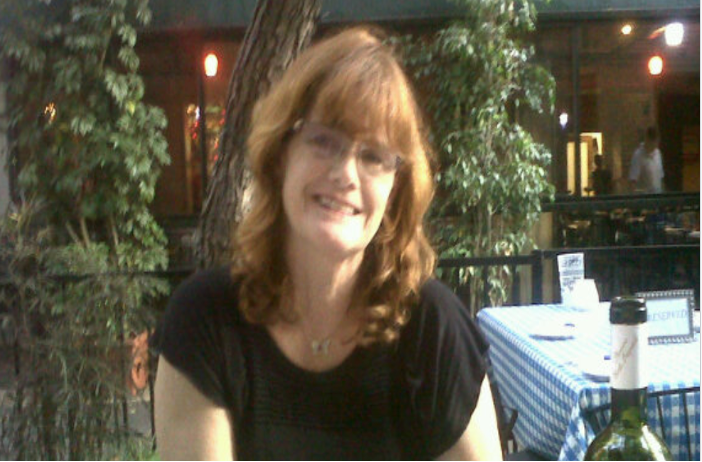
Happy Birthday to the American Cancer Society (ACS). This month, the organization turns 112 years old. This coming Thursday, May 22nd, the ACS is hosting a 24-hour marathon to raise money for cancer research and patient care. SCM knows how much the ACS does to support research and patients on a personal level. A dear friend of SCM, Sandy Williams, pictured above, struggled with cancer for about 10 years. During that time, the ACS helped Sandy, a single mom who gave up her dream of becoming a Safety Officer, with the cost of medication and treatments. Sandy lost her fight with cancer on September 30, 2015. We are offering this tip in Sandy’s name, as she would be the first to stand up to promote the prevention of cancer.
The risk of cancer in the workplace is low. The Centers for Disease Control (CDC) estimates that 2 – 8% of cancers are potentially related to an occupational exposure. The National Institute for Occupational Safety and Health (NIOSH) has a list of studies that have been done on occupational exposures to carcinogens. While the fire service is listed twice for exposure to the particulates in smoke, we cannot discount the additional exposure (potentially a third) to sunlight that affects many firefighters diagnosed with melanomas (types of skin cancer).
Another carcinogenic chemical often used in the workplace is ethylene oxide (EtO). It is found in antifreeze, cosmetics, detergents, medicines, and sterilization processes, including those at hospitals and doctors’ offices. EtO is number two on NIOSH’s list, which cites the chemical as contributing to breast cancer.
According to scientific research, more than 4 out of 10 cancers are preventable. So, what can you do to prevent cancer and protect yourself from occupational exposures?
1. Read the Safety Data Sheet. Read the SDS for the material you are using. Look at Section 11 – Toxicological Information. This section will tell you if the material is a carcinogen. Then look at Section 8 – Exposure Controls/Personal Protection. This will give you the information you need to protect yourself from an exposure. If you have been exposed, go to Section 4 – First Aid Measures.
2. Use practicable precautions. Some things, like the ultraviolet (UV) rays in sunlight, don’t have an SDS. The next step would be to learn about what might cause cancer at your workplace and find reliable sources (see note, below) to learn to protect yourself. Here is a link to protecting yourself from harmful UV rays from our friends at the ACS. It’s easy to remember – Slip on a shirt, Slop on sunscreen, Slap on a hat, and Wrap on sunglasses.
Note: When we talk about “reliable sources” we mean sources that depend on scientific research and evidence or facts.
3. Stay healthy. A healthy body is one that can better fight off cancers and withstand the side effects of cancer treatments. Do all those things that your health care provider tells you to do. Stay away from tobacco and related products, including vapes. If needed, try to get down to a healthy weight. Limit your intake of alcohol. Eat healthy meals, exercise, and get adequate rest.
Sandy appreciates it.
Weekly Safety Challenge:
The ACS estimates that there will be an estimated 2,041,910 new cancer cases and 618,120 cancer-related fatalities in 2025. That means you may know someone who is struggling with cancer right now. In their honor, consider joining us to donate to the ACS this coming Thursday, you can click the link here.
