

Remembering 9/11
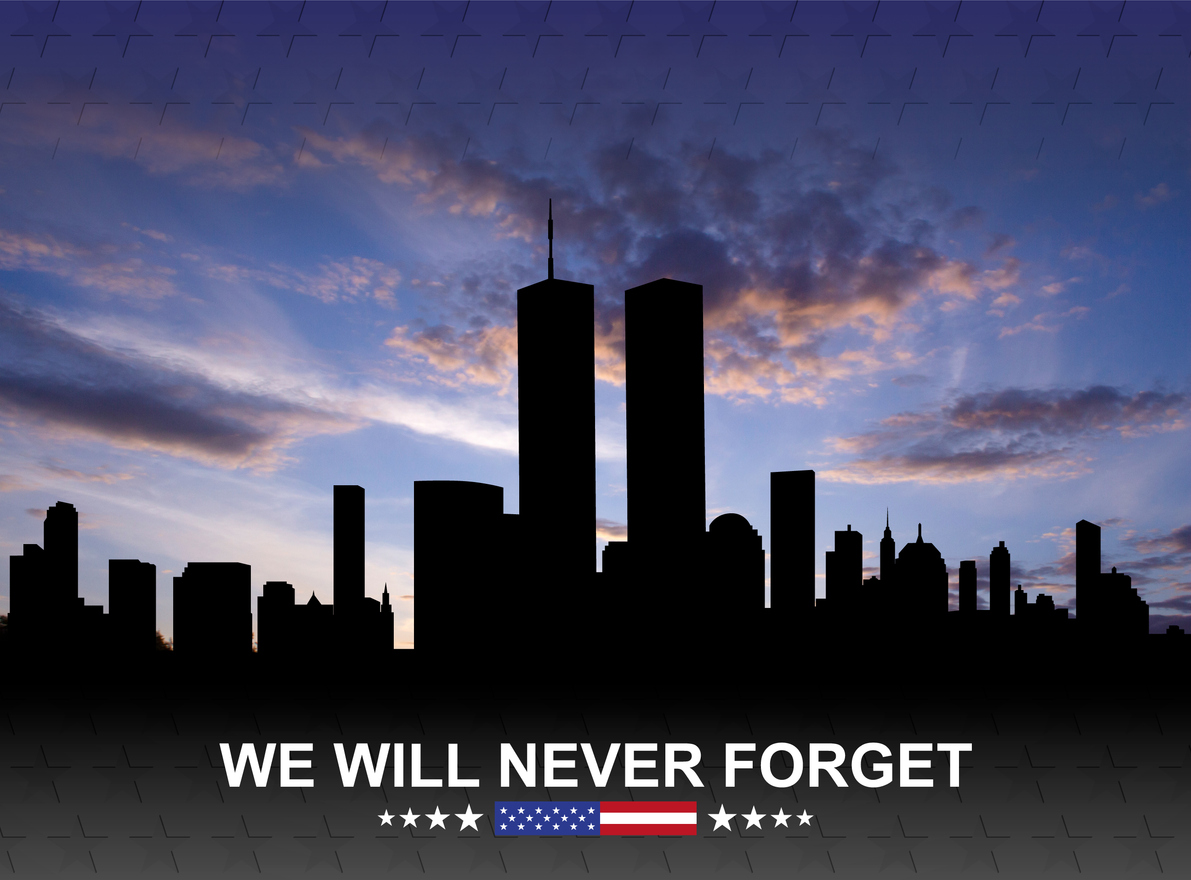
The events of September 11, 2001, are a defining moment in modern history, and the memory of that day is preserved to honor those who lost their lives, the heroes who responded, and to inform future generations. The attacks also catalyzed a fundamental shift in public safety, security, and national policy.
Remembering
We remember the nearly 3,000 individuals who were killed that day- the passengers on the four hijacked planes, the victims inside the Twin Towers and the Pentagon, and the brave first responders who rushed into the burning buildings. The heroes of 9/11 include not only the firefighters, police officers, and paramedics who sacrificed their lives, but also ordinary citizens who acted with courage, from the passengers on Flight 93 who fought back against their hijackers to the individuals who helped countless others to safety. Tens of thousands of first responders, recovery workers, and survivors of the attacks have suffered severe and long-term health consequences from exposure to the toxic dust and debris, including various types of cancer, chronic respiratory diseases, and mental health conditions like PTSD. These individuals, who continue to fight for their health, are a vital part of the ongoing story of 9/11, reminding us that the tragedy’s impact continues to unfold more than two decades later.
Changes to Public Safety & Security
The 9/11 attacks exposed vulnerabilities in the nation’s security and led to a comprehensive reevaluation of public safety strategies. The changes were implemented across multiple sectors, from government and law enforcement to transportation and infrastructure.
1. Government Restructuring:
- Department of Homeland Security (DHS): A major outcome of the attacks was the creation of the DHS in 2003. This new, cabinet-level department consolidated 22 different federal agencies and offices, including the Transportation Security Administration (TSA), U.S. Customs and Border Protection, and the Federal Emergency Management Agency (FEMA), under a single umbrella to improve coordination and prevent future attacks.
- Intelligence and Law Enforcement: The attacks highlighted the need for better information sharing and cooperation between intelligence and law enforcement agencies. This led to the creation of institutions like the Directorate of National Intelligence and the National Counterterrorism Center.
2. Airport and Transportation Security:
- Creation of the TSA: The Transportation Security Administration was created to federalize airport security. Previously, security was handled by private companies.
- Enhanced Screening: New procedures were implemented, including more rigorous screening of passengers and their carry-on baggage. This included the banning of sharp objects and, later, the “3-1-1” rule for liquids, aerosols, and gels.
- Reinforced Cockpit Doors: New regulations required reinforced cockpit doors on aircraft to prevent unauthorized access.
- Federal Air Marshal Service: The program was expanded to place armed federal law enforcement officers on flights.
3. Building and Infrastructure Security:
- Architectural and Engineering Changes: In the wake of the attacks, new considerations for security and survivability were incorporated into building design. This included features like more fire-resistant materials, redundant exits, and hardened fire suppression systems.
- Standoff Protection: Measures were developed to protect buildings and infrastructure from vehicle-borne threats.
- Emergency Response Planning: Emergency operations planning was scaled up to contend with large-scale disasters, and a new emphasis was placed on communication and continuity of operations.
4. Community and Law Enforcement Collaboration:
- Fusion Centers: The concept of “fusion centers”, where federal, state, and local law enforcement and intelligence officials share information and analyze threats, gained momentum and became a key element of the post-9/11 security framework.
- Increased Vigilance: Public safety personnel and the public as a whole were trained to recognize and report suspicious activity potentially related to terrorism.
These changes have made the U.S. more resilient to large-scale terrorist attacks, but they have also raised significant debates about the balance between national security and civil liberties. The legacy of 9/11 continues to influence American law and society.
